
Wow! Okay, so hear me out. I was tinkering with a few Solana apps last week and hit a wall — connection drops, confusing key management, and a dozen pop-ups asking to approve stuff I didn’t even recognize. Seriously? It felt like trading a tidy web experience for a chaotic backstage pass. At first I thought a browser wallet was just another extension, but then something clicked: the wallet is the UX, the security model, and the onboarding all rolled into one piece of software that either makes or breaks your day. My instinct said this matters more than most people think, especially for NFT collectors and DeFi users who want speed without sacrificing safety.
Here’s the thing. NFT wallets, SOL wallets, and DeFi wallets on Solana have overlapping needs but different priorities. NFT flippers want fast minting and clear previews. DeFi traders want robust signing safety and gas habits that don’t cost an arm. And everyday users? They want simple language and a reassuring green checkmark. This article walks through those gaps, with hands-on tips from my own usage, some mistakes I made, and what to watch for before you click “Connect.”
Short version: if you use Solana often, the right browser extension changes everything. But it’s not magic. You still need basic hygiene. Hmm… somethin’ about wallets that people skip is how they teach you to use them. The onboarding matters as much as the crypto under the hood.
On a technical level, Solana’s speed is its superpower and its trap. Fast confirmations mean you can mint or swap in seconds. On the other hand, that speed also encourages sloppy clicking. I once approved a marketplace fee unexpectedly because I was in a hurry — learn from my facepalm. Initially I thought better UX alone would fix that, but then realized you also need friction where appropriate: intentional confirmations for sensitive actions and clear metadata for requests.
How NFT Wallets Differ from SOL and DeFi Wallets
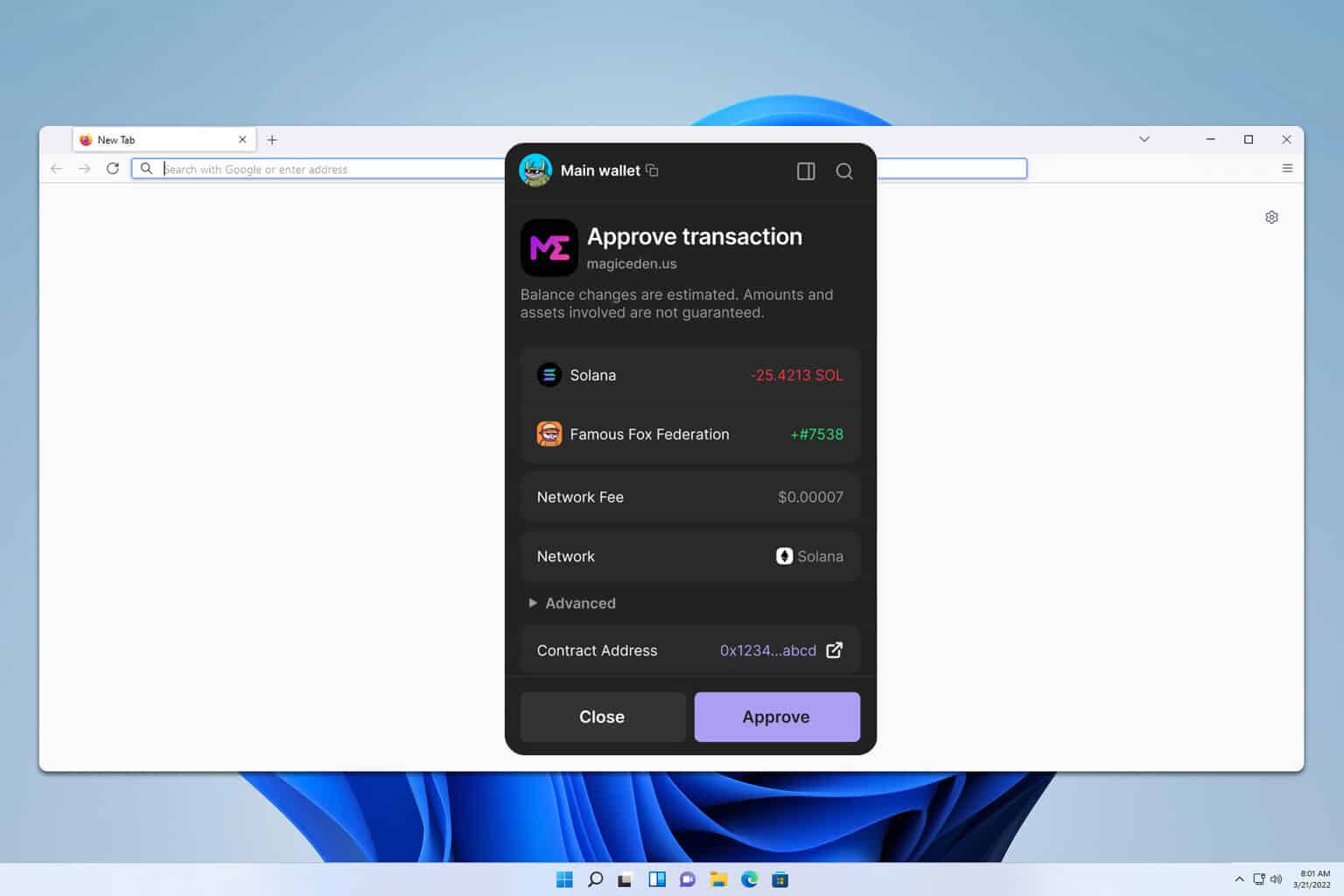
NFT wallets aren’t just token vaults. They’re galleries and marketplaces in miniature. They need to render art previews, show collection metadata, and indicate provenance with a glance. That requires a UI that talks to off-chain metadata securely, and a user who knows to verify sources. On the flip side, SOL wallets focus on balance, staking, and transfers. DeFi wallets add another layer: interactive dapps, contract approvals, and multi-step transactions that must be reviewed carefully.
One of the things that bugs me is how many wallets present raw instruction data by default. It’s like handing someone a car’s wiring diagram when they just want to drive. You need both: a readable summary for speed and a raw view for power users. I’m biased, but a good extension offers both without forcing you to toggle through ten menus.
For most day-to-day use, trust anchors are essential. Extensions isolate keys from web pages; they mediate signing. So pick a wallet that makes those boundaries explicit. My rule of thumb: if the extension lets a site initiate repeated approvals without asking you each time, be suspicious. And yes, watch out for UI spoofing—somethin’ that mimics the extension inside a webpage. It happens. Very very annoying.
Alright, let’s get practical. Below are categories of features that actually matter and why.
Security essentials: hardware wallet support, seed phrase export warnings, transaction details that show human-readable actions, and permission revocation tools. Performance essentials: connection reliability, fast RPC endpoints, and sane retry behavior. UX essentials: readable confirmations, clear NFT preview, and contextual help on every screen. I won’t pretend any single wallet nails everything, though some come close.
Okay—quick tangent (oh, and by the way…)—wallet extensions also shape developer behavior. If the wallet shows metadata well, devs design for it. If it doesn’t, the whole dapp layer suffers. So choosing a widely adopted extension nudges the ecosystem toward better UX overall.
One pragmatic pick: if you want a straight-forward Solana browser experience, try a well-established extension like phantom. It balances speed and safety, shows NFT art inline, and supports common DeFi flows without too much friction. I’m not sponsored; it’s just been reliable in my testing. Initially I thought it was too minimalist, but then realized that minimalism forces clarity—when done right.
That said, no wallet is perfect. Beware these gotchas: permission creep (sites asking for more than needed), confusing contract names, and RPC centralization which can leak activity patterns. On one hand fast RPCs reduce latency; on the other hand they can be single points of failure. So I tend to rotate endpoints or use wallets that let me choose preferred RPCs.
For NFT collectors specifically: always verify creators and collection contracts. Look at token metadata and the minted token’s edition details. If a minting site asks to “approve all tokens” for a contract you don’t trust, stop. Seriously. I learned this by nearly approving an open approval that could’ve cost me rare pieces. My mistake taught me to pause, read, and if unclear—close the tab and research. Initially I thought the marketplace interface would make everything obvious but actually some of them hide ugly defaults in plain sight.
DeFi users have a different risk calculus. High-frequency traders might accept more automated approvals for convenience, but casual users should insist on explicit confirmations. Use wallets that let you review each instruction. If a transaction bundles many actions (swap + deposit + stake), check each piece. If the wallet doesn’t let you inspect, either use a different wallet or break the operations into smaller steps.
Another human detail: fallback behavior. When the wallet loses connection, does it notify you clearly? Or does it silently fail and leave you guessing? I prefer clear error states. Silent failures are the slow poison of good UX.
Let me be honest: I have a soft spot for wallets that treat onboarding like a conversation. A little humor, clear metaphors, and progressive disclosure go a long way. People aren’t blockchain engineers. They want to feel smart, not confused. So if a wallet explains “Why this permission?” in plain English, it’s already ahead of most competitors.
Common Questions People Ask
How do I keep my NFTs safe in a browser wallet?
Use unique, strong passwords for OS login and browser; enable hardware wallet integration for high-value assets; avoid approving blanket permissions; and double-check metadata before signing. Also back up your seed phrase—store it offline, not in a note app. Simple but crucial.
Is a Solana browser extension safe for DeFi trading?
Yes, when used carefully. Keep your extension updated, review every transaction, and prefer wallets that show readable transaction summaries. Consider keeping large balances in a hardware wallet or separate custodial system if you need 24/7 market access.
Can I use one wallet for both NFTs and DeFi?
You can. Many extensions handle both use cases. But you might choose to compartmentalize: one wallet for active trading and another for long-term NFT storage, especially if you want different security postures.
Ultimately, your wallet should reflect your behavior. If you dabble in NFTs and DeFi occasionally, favor safety and clarity. If you’re a power user, prioritize flexibility and inspectability. On one hand the tech is forgiving; on the other, a single careless click can cost real money. I’m not 100% sure that every user will change their habits, but small discipline goes a long way.
So what’s the takeaway? Pick a wallet that helps you make good decisions, not one that rushes you into them. Test it with small transactions. Read prompts. And when a dapp asks for broad access, step back and ask: does this make sense? If the answer’s fuzzy, close the tab and research. You’ll thank yourself later. Hmm… I probably sound like your cautious friend, but I’ve learned the hard way.
One last note: the ecosystem is moving fast. Wallets will keep improving. Expect better metadata standards, clearer permission models, and more seamless hardware integrations. Until then, be slightly paranoid, slightly curious, and somewhat skeptical. That blend keeps you safe and makes the whole experience more enjoyable, honestly.
Pas de commentaire